In pest management, assumptions can be expensive.
A customer hears scratching in a wall and assumes rodents. An employee spots a few insects and assumes an infestation. A facility manager requests treatment based on what they think they’re seeing. While experience and instinct play an important role in pest control, the most successful pest management professionals know that effective decisions are built on evidence, not guesses. That’s where monitoring makes the difference.

The Cost of Guesswork
Every PMP has encountered situations where the reported problem wasn’t the actual problem.
What sounds like rodent activity could be insects in a wall void. What appears to be mouse activity could be an isolated incident rather than an established population. Even experienced technicians can waste valuable time and resources if they move directly to treatment without first understanding what’s really happening.
When pest activity is misidentified, the consequences can include:
- Unnecessary service visits
- Ineffective treatments
- Increased product costs
- Customer frustration
- Avoidable callbacks
In today’s competitive environment, callbacks don’t just impact profitability. They can impact your reputation.
Monitoring Creates Clarity
Monitoring tools provide something assumptions never can: objective information. Rather than relying on reports, observations, or best guesses, monitoring devices help reveal:
- What pest species are present
- Where activity is occurring
- How extensive the activity may be
- Changes in population size over time
- Which areas require immediate attention
This information allows PMPs to build targeted treatment plans instead of broad, reactive responses. The result is more efficient service, better outcomes, and greater confidence in the recommendations being made to customers.
Early Detection Changes Everything
One of the greatest advantages of monitoring is the ability to identify pest activity before it becomes a larger problem. A single insect on a monitoring device may indicate the beginning of an issue that would otherwise go unnoticed. Light rodent activity can often be identified before significant damage, contamination, or customer complaints occur.
For commercial facilities, food processing plants, warehouses, and other sensitive environments, early detection isn’t just beneficial. It’s essential. Monitoring helps transform pest management from being reactive to proactive.
Better Data Leads to Better Decisions
Strategic placement of monitoring devices throughout a facility creates a clearer picture of pest pressure over time. Trends become visible. Activity patterns emerge. Service recommendations become easier to justify.
When customers ask why you’re recommending a particular course of action, monitoring data gives you answers you can stand behind. That’s a level of certainty that guesswork simply can’t match.
Monitoring Solutions Built for the Job
Kness offers a variety of monitoring solutions designed to help PMPs gather valuable information while supporting effective pest management programs.
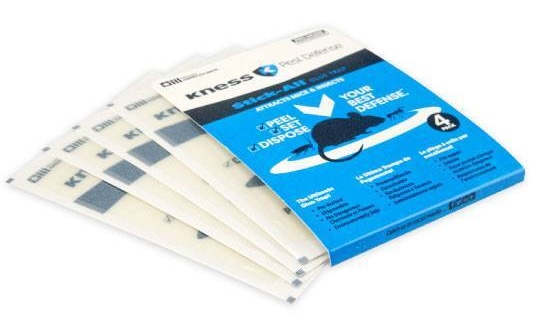
Stick-All® Mouse & Insect Glue Traps are ideal for monitoring both crawling insects and rodent activity. Their versatility allows technicians to quickly identify pest presence, track activity patterns, and verify treatment effectiveness.
For rodent monitoring programs, Pro-Ketch® and Ketch-All® Multiple Catch Mousetraps provide ongoing monitoring while also delivering control when activity is detected. These proven solutions help technicians gather meaningful information without relying solely on customer reports or assumptions.
When paired with Kness protectors and covers, monitoring devices can be placed discreetly and securely in commercial, industrial, and sensitive environments while maintaining a professional appearance.
The Pro’s Edge is Based on Data
The difference between an average service call and an exceptional one often comes down to information. Monitoring provides the data needed to identify problems accurately, respond appropriately, and reduce unnecessary callbacks. It helps PMPs spend less time guessing and more time solving problems. Because when it comes to pest management, the best decisions aren’t based on assumptions. They’re based on what the evidence tells you.