It's Not Spring. Why Are Ants Suddenly in Your House? Fall May Be the Reason.
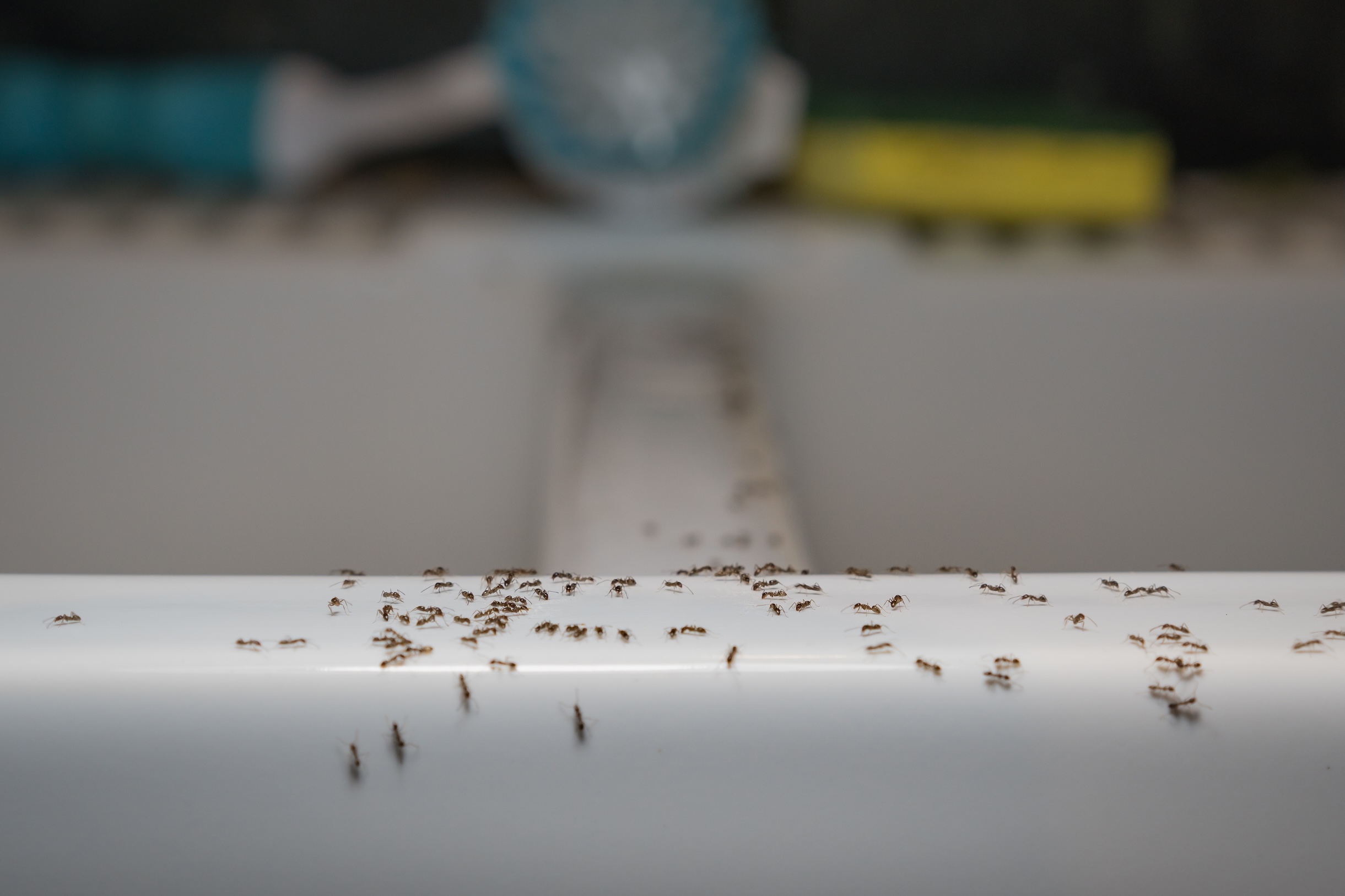
Ants are often associated with spring and summer, but spotting them inside your home as fall approaches isn’t unusual. As outdoor conditions change, ants continue searching for the things they need most: food, water and shelter.
If you’re suddenly noticing ants in the kitchen, bathroom or other areas of your home, simply getting rid of the ones you see may not be enough. Understanding why they’re there is the first step toward addressing the problem.
Changing Conditions Can Change Ant Behavior
As summer gives way to fall, cooler temperatures and changing moisture conditions can affect where ants forage and find resources. Your home can offer a relatively stable environment with access to food, water and protection from outdoor conditions.
Ants may enter through surprisingly small openings while searching for what they need. Once they find a reliable food or water source, other members of the colony may follow. That’s why a few ants can quickly turn into a much more noticeable problem.
Your Home May Be Giving Them What They Need
Ants don’t need much encouragement to stick around. Crumbs under appliances, food residue on counters, pet food, spills and improperly stored pantry items can all provide food sources. Moisture around sinks, plumbing, bathrooms or other damp areas may also attract certain species.
Reducing these resources can make your home less inviting. Keep food sealed, clean up crumbs and spills, don’t leave pet food sitting out unnecessarily and address leaks or excess moisture when possible.
Killing the Ants You See May Not Solve the Problem
Seeing a line of ants makes the immediate reaction understandable: get rid of them.
But the ants traveling through your kitchen or bathroom may represent only a small portion of a much larger colony. Eliminating visible ants without considering where they’re coming from or what’s attracting them can mean the problem keeps returning.
Effective ant control starts with looking at the bigger picture. Where are they entering? What are they finding? Where is the colony located? And what can be changed to reduce activity?
Prevention Can Make a Difference
A few simple steps around the home can help reduce opportunities for ants to move indoors:
- Seal cracks, gaps and other potential entry points around the exterior.
- Check weatherstripping around windows and doors.
- Keep counters, floors and food-storage areas clean.
- Store food in tightly sealed containers.
- Reduce moisture and repair leaky plumbing.
- Keep vegetation and debris from creating easy pathways around the foundation of your home.
- Pay attention to ant trails and other signs of activity rather than waiting for the problem to grow.
Fall is also a good time to inspect your home for pest entry points in general. Many of the same gaps that allow ants inside can provide access for other unwanted pests.
Make Ant Control Part of the Strategy
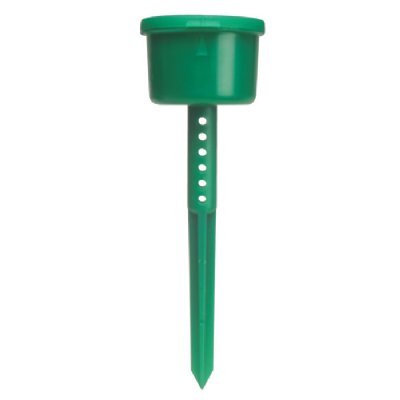
When ant activity is identified, Kness Ants No More® Ant Bait Stations offer a simple way to place ant bait where activity is occurring. The stations are designed to hold liquid, gel or granular bait and help protect it from the elements, making them suitable for use in a variety of locations.
As with any pest-control product, placement matters. Identifying where ants are active and following the directions for the bait being used are important parts of an effective approach.
Know When to Call a Pest Management Professional
If ant activity continues, you can’t determine where the ants are coming from or the infestation appears extensive, it may be time to contact a pest management professional (PMP).
Different ant species can require different control approaches, and identifying the species and location of the colony can be important. A PMP can evaluate the activity, identify conditions contributing to the problem and recommend an appropriate control strategy.
Don’t Just React to the Ants You See
Whether it’s ants, mice or another unwanted pest, seeing activity is only part of the story. Pay attention to what the pest is telling you. Look for entry points. Identify food, water and shelter. Monitor where activity is occurring. Then use that information to determine the right next step.
Because better pest control starts with understanding the problem, not just reacting to it.