The Role of Monitoring: Why Guessing Doesn't Work
When it comes to pest control, reacting to what you think is happening can lead to wasted time, recurring problems, and unnecessary treatments. Whether you’re a homeowner spotting the occasional ant or a pest management professional handling multiple service accounts, one thing remains true: successful pest control starts with accurate monitoring. Because without monitoring, you’re just guessing.

Why Monitoring Matters
One of the most common misconceptions in pest control is that traps only matter if they catch something. In reality, monitoring tools are just as valuable when they don’t catch anything. Why? Because they provide information.
Monitoring helps determine:
- What type of pest activity is likely present
- Where activity is happening
- How severe the issue may be
- Whether a treatment is working, or not
- If a problem is improving, spreading, or returning
That information leads to smarter decisions instead of assumptions.
Seeing One Pest Doesn’t Tell the Whole Story
Spotting a single ant in the kitchen or hearing a noise in the wall doesn’t always reveal the full picture. Some infestations stay hidden long before obvious signs appear. Others may seem severe but turn out to be an isolated activity. Monitoring helps fill in the gaps.
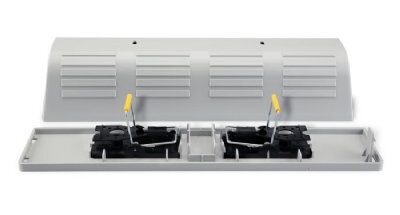
Glue traps, covered snap traps, and insect monitors can help identify patterns and confirm activity before problems escalate. In many cases, they also help rule out issues that may not actually exist, saving time, money, and unnecessary treatments.
Smarter Pest Control Starts with Better Data
For pest management professionals, monitoring is one of the most valuable tools on the job. It turns pest control from a reactive service into a strategic process.
Instead of treating based on assumptions, monitoring allows PMPs to:
- Pinpoint activity more accurately
- Verify treatment effectiveness
- Reduce callbacks
- Identify hidden pest pressures early
- Make better recommendations for customers
Good monitoring also builds confidence. Customers appreciate knowing there’s a reason behind the recommendation. It’s not just a guess.
Why “No Catch” Can Still Be a Win
One of the biggest advantages of monitoring is trend tracking over time. A trap that remains clear in a previously active area may indicate:
- A treatment is working
- Entry points have been resolved
- Seasonal activity is slowing
- Pest pressure is lower than expected
That’s valuable information. Monitoring is not just about catching pests; it’s about understanding what’s happening between visits, treatments, and sightings.
Smarter, Not Harder
The best pest control strategies are proactive, not reactive. Monitoring helps detect issues earlier, improves decision-making, and reduces unnecessary effort for both homeowners and professionals. Because in pest control, guessing can lead to bigger problems. The right monitoring tools help you work smarter, respond faster, and stay one step ahead before small pest issues become major infestations.