Late winter may feel quiet in the field, but experienced pest management professionals know this is when spring infestations start taking shape.
As temperatures fluctuate and daylight increases, pests begin shifting behavior. Activity may still be subtle, but the groundwork for spring callbacks is already being laid. Proactive monitoring now helps prevent reactive service later.
Here’s what PMPs should be watching closely before spring arrives.
1. Wintering Insects Start Resuming Activity
Many insects winter inside wall voids, attics, and commercial structures. As buildings warm up, or as late-winter sun hits exterior walls, these pests begin emerging.
Common culprits:
- Cluster flies
- Boxelder bugs
- Lady beetles
- Occasional invaders
Clients may assume rodent activity when they hear movement or see insects near windows. Without proper monitoring in place, misdiagnosis can lead to unnecessary rodent service and repeat callbacks.
Why monitor now?
Late-winter insect activity is often the first indicator of a larger upcoming issue in the spring.
Kness Stick-All® Insect Traps provide low-maintenance, broad-spectrum monitoring. Placed along walls, in mechanical rooms, near entry points, and in commercial accounts, they offer:
- Clear visibility into insect presence
- Early detection before populations build
- Documentation to support service decisions
- Reduced guesswork during callbacks
In slower winter months, Stick-All traps keep you informed without adding labor.
2. Early Ant Scouting Activity
Ant colonies don’t wait for calendar spring. As soil temperatures begin to rise and interior heat sources create microclimates, scout ants may already be foraging indoors.
By the time customers notice a visible trail in March or April, colony establishment is already underway.
What to monitor:
- Kitchen baseboards
- Utility penetrations
- Breakrooms in commercial accounts
- Warmer mechanical or boiler rooms
Proactive strategy:
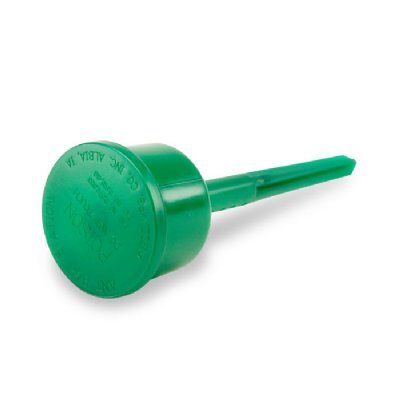
Deploying Ants-No-More® Bait Stations in late winter positions you ahead of the curve. Instead of reacting to a full trail, you’re intercepting scouts early, reducing colony growth before peak season.
Benefits include:
- Targeted bait delivery
- Discreet placement
- Reduced need for broad treatments
- Fewer spring emergency calls
Callbacks cost time. Early baiting costs far less.
3. Moisture-Driven Pest Activity
Late winter often brings melting snow, condensation, and fluctuating humidity—especially in warehouses and industrial environments.
Moisture attracts:
- Springtails
- Fungus gnats
- Small crawling insects
These pests are frequently mistaken for larger problems, leading to unnecessary treatments and frustrated customers.
Placing Stick-All traps in damp zones helps:
- Confirm species presence
- Identify patterns
- Document recurring conditions
- Provide data-driven recommendations
Consistent and proactive monitoring protects your credibility.
4. Structural Entry Points Before Spring Pressure
Freeze-thaw cycles create small structural shifts. Gaps around doors, foundations, and utility lines become early-season entry points.
Ants and small insects are often first to exploit these openings.
Late winter inspections combined with strategic Stick-All placement and preventative Ants-No-More baiting allow PMPs to validate pressure points before exterior activity surges.
Late winter monitoring matters because spring infestations rarely begin in spring.
They begin:
- During warming trends
- Inside wall voids
- Around subtle moisture shifts
- With one unnoticed scout
PMPs who monitor now:
- Reduce callbacks
- Protect margins
- Improve accuracy
- Strengthen client trust
Instead of responding to activity, you’re managing it. When spring demand increases, the PMPs who monitored early are the ones staying ahead—not catching up. Because in pest control, the real work of spring starts now.