If you've noticed more ants showing up lately, you're not alone, and it's not random. This time of year, increased ant activity is actually a signal. The real question is: what is it telling you?
Whether you're a homeowner dealing with trails in the kitchen or a pest management professional responding to a callback, understanding why ants are more visible right now is the key to solving the problem effectively.
Why Ant Activity Spikes This Time of Year
Warmer temperatures and seasonal moisture shifts trigger ants to become more active. Colonies that have been relatively dormant start expanding, foraging, and searching for reliable food and water sources.
That means:
- More visible trails along walls, counters, and entry points
- Increased indoor activity as ants move inside for consistent resources
- Faster colony growth, which can turn a small issue into a larger infestation quickly
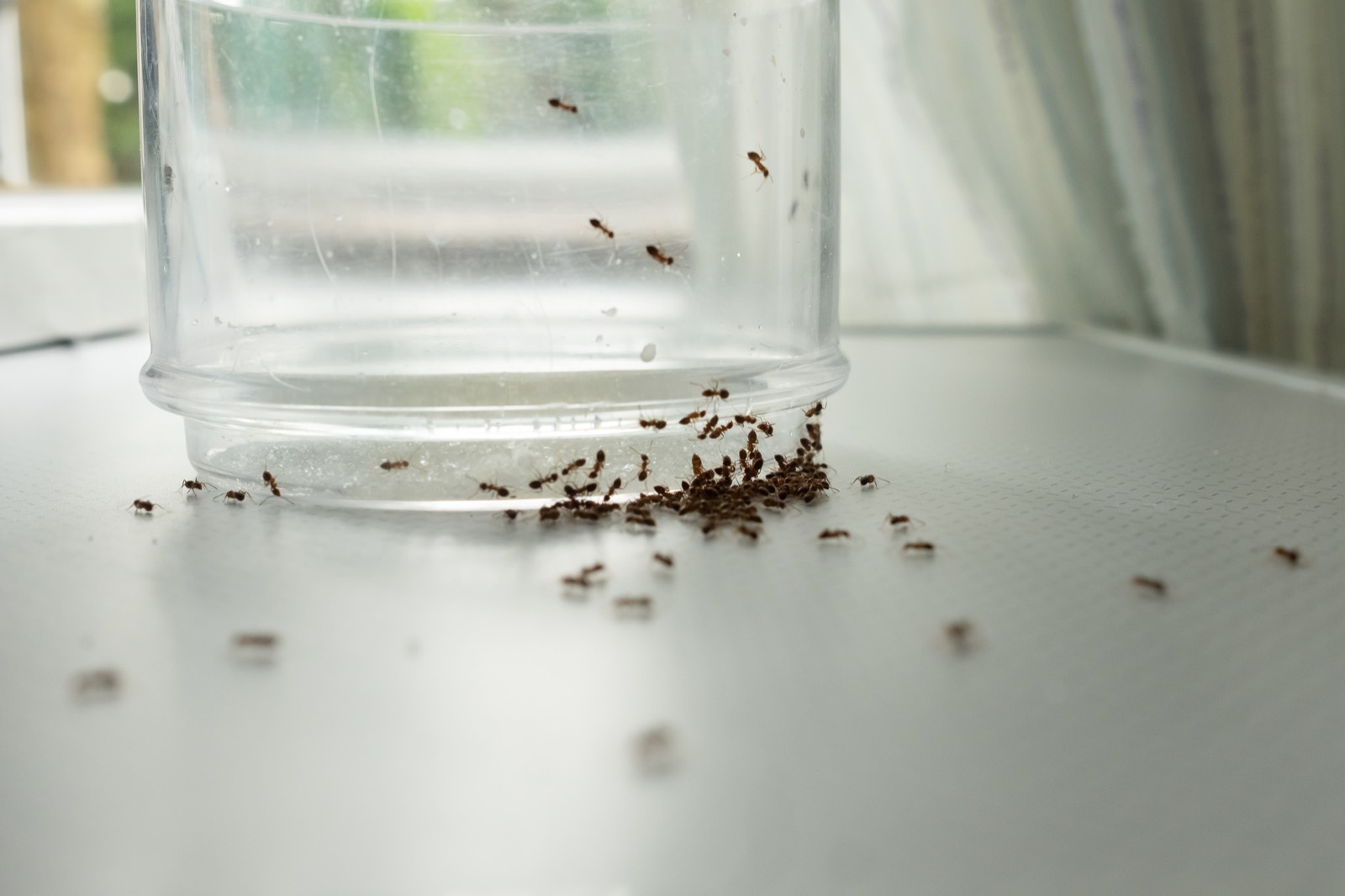
For consumers, this often feels sudden. For PMPs, it's a familiar seasonal pattern, but one that still requires precise identification and response.
What You're Seeing Isn't the Whole Story
The ants you see are only a small part of the colony. Most of the activity is happening behind walls, under floors, or outside the structure. That's why quick fixes, like wiping away a trail or using a general spray, often don't solve the problem. They address the symptom, not the source.
Instead, the goal should be to:
- Identify where ants are coming from
- Understand what they're targeting, whether that's food, moisture, or shelter
- Confirm the type of pest activity present
Why Monitoring Matters More Than You Think
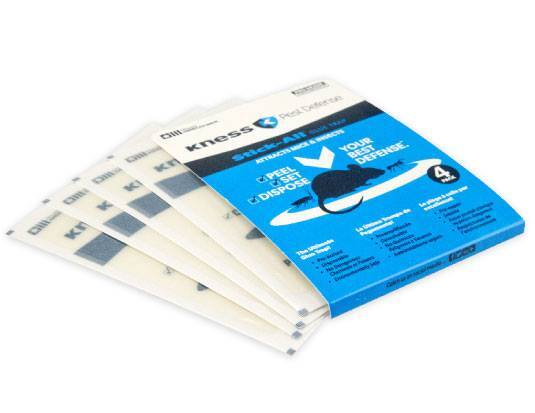
Before jumping straight to treatment, it's critical to confirm what's actually happening. Not all ant activity is straightforward, and misidentification can lead to wasted time and ineffective solutions. This is where monitoring tools like Kness Stick-All® Glue Traps come into play.
What Stick-All Glue Traps help you do
- Confirm ant presence and activity levels
- Identify other pests that may be involved
- Pinpoint movement patterns and high-traffic areas
- Reduce guesswork before treatment begins
For homeowners, this means gaining clarity instead of reacting blindly. For PMPs, it means more accurate service, fewer callbacks, and better long-term results.
A Smarter Approach to Ant Control
Whether you're tackling ants yourself or managing accounts professionally, the most effective approach follows a simple sequence:
- Monitor first: Use tools like Kness Stick-All Glue Traps to understand the scope and type of activity.
- Identify the source: Look beyond visible trails to entry points, nesting areas, and attractants.
- Target the problem: Choose treatments based on confirmed behavior, not assumptions.
- Evaluate and adjust: Continue monitoring to ensure the issue is resolved and stays that way.
What This Means for You
Seeing more ants right now doesn't necessarily mean you have a major infestation, but it does mean something has changed in your environment that's attracting them. The difference between a short-term annoyance and a recurring issue often comes down to how you respond in this moment.
- Consumers: Take a step back before reacting. Understanding the why will save time and frustration.
- PMPs: Lean into monitoring and identification to sharpen your approach and reinforce your value to customers.
Don't Just React. Understand.
Ant activity is a signal. When you take the time to interpret it correctly, you can move from temporary fixes to real solutions. And with the right tools like Kness Stick-All Glue Traps, you're not guessing. You're making informed decisions that lead to better outcomes.