Rodent Control Is About More Than Setting Traps
When people think about rodent control, they often picture a trap.
While traps are an important tool, they’re only one piece of a much larger strategy. Effective rodent control isn’t simply about catching mice or rats or other pests. It’s about understanding why they’re there in the first place and taking steps to prevent future activity.
Whether you’re a pest management professional protecting a commercial facility or a homeowner trying to keep rodents out of the garage, lasting results come from a comprehensive approach.

The Best Rodent Control Starts with Inspection
Before placing a single trap, it’s important to understand the situation. A thorough inspection helps identify:
- Signs of rodent activity
- Entry points
- Food and water sources
- Nesting areas
- Structural vulnerabilities
Without this information, even the best trapping program may only address the symptoms rather than the source of the problem.
Monitoring Turns Traps into a Strategy
Rodents are often active long before they’re seen, making early detection one of the most important parts of an effective rodent control program. Monitoring helps identify activity, reveal travel routes, and determine where control efforts will have the greatest impact. Strategically placed traps do more than catch rodents. They provide valuable insight into where rodents are active and whether control measures are working. When combined with routine monitoring and evaluation, traps become part of a broader pest management strategy that replaces guesswork with informed decision-making. After all, successful rodent control isn’t measured by how many traps are set. It’s measured by how effectively rodent activity is prevented over time.
Prevention Is the Long-Term Solution
Removing rodents is only part of the job. Long-term success depends on making the environment less attractive to rodents in the first place. That may include:
- Sealing entry points
- Improving sanitation
- Reducing clutter and harborage
- Managing food and water sources
- Continuing routine monitoring
These preventive measures help reduce the likelihood of future infestations while supporting more consistent results.
Every Facility Has Different Challenges
A restaurant doesn’t face the same risks as a warehouse. A food processing plant has different priorities than a residential home. That’s why effective rodent control isn’t one-size-fits-all. Each environment requires a thoughtful approach based on the building, its use, and the level of rodent pressure.
Experienced pest management professionals evaluate each situation individually and adapt their strategy accordingly.
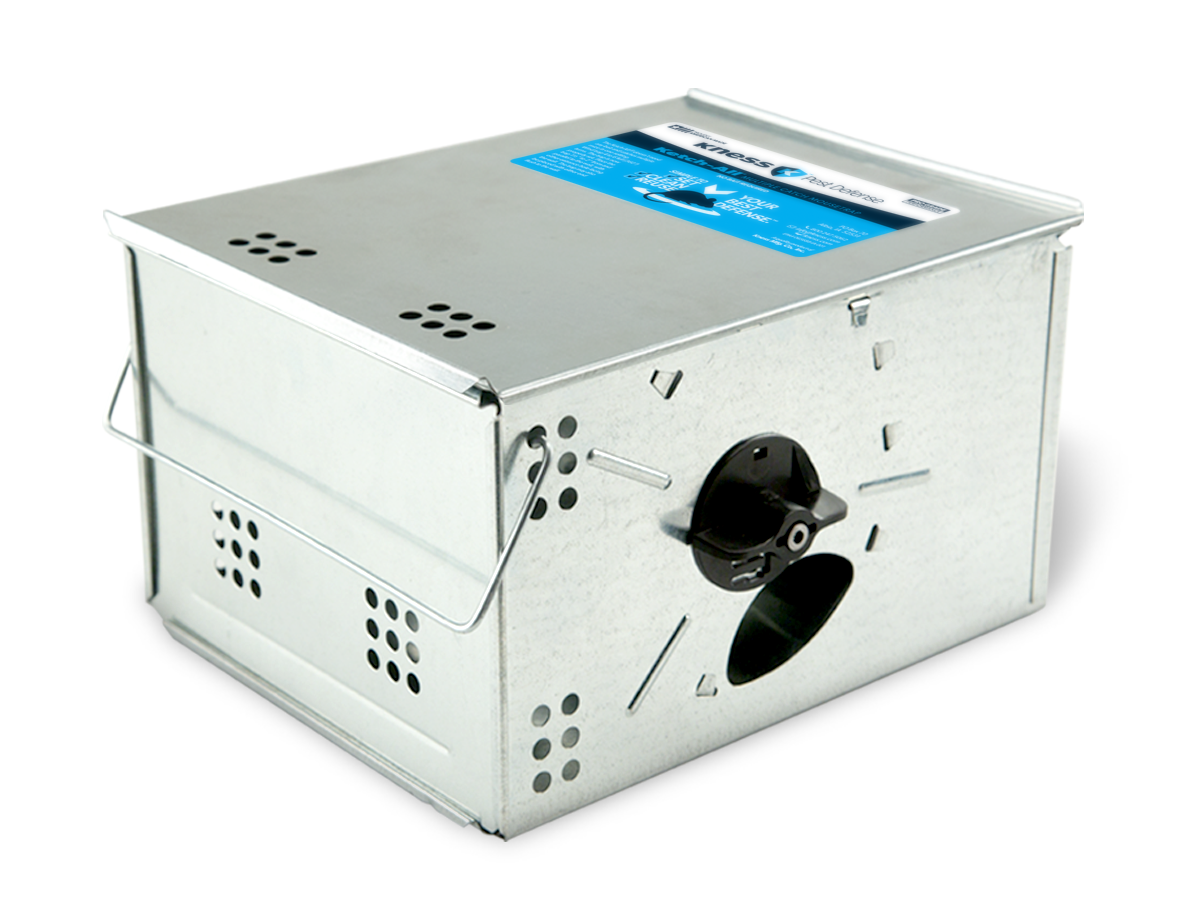
Expertise Makes the Difference
Anyone can place a trap.
Knowing where to place it, why it’s there, what the results mean, and what steps should come next is what separates a comprehensive rodent management program from a temporary fix. Whether protecting a home, business, school, or food facility, effective rodent control is about more than setting traps. It’s about combining inspection, monitoring, prevention, and informed decision-making to create healthier, safer environments.