Rat Control in Challenging Environments: When the Details Make the Difference
Summary: Commercial and agricultural environments present unique rat control challenges, from competing food sources and restricted access to changing facility conditions. For PMPs, effective programs require practical equipment choices, adaptability and coordination with facility personnel.
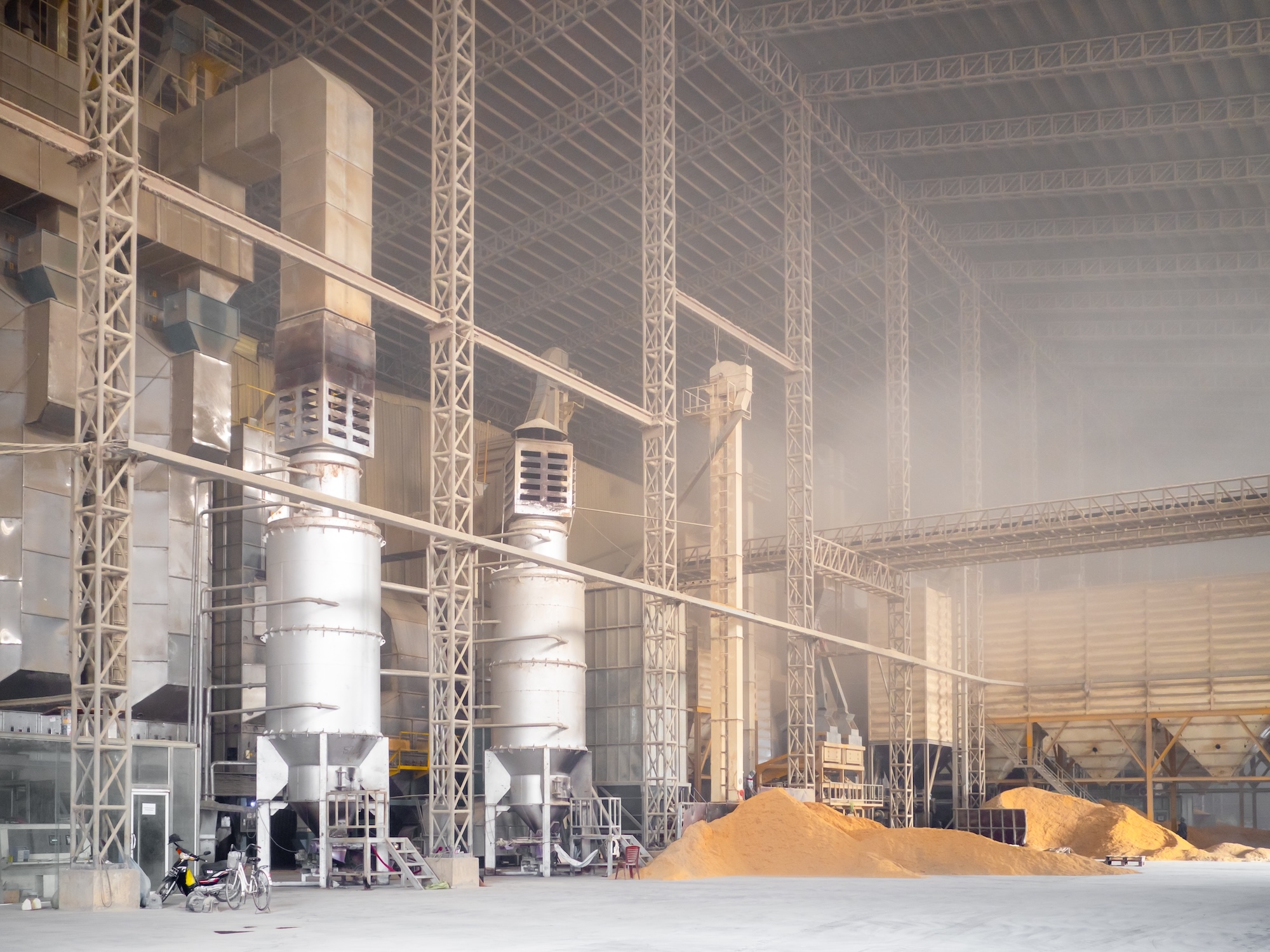
A well-designed rat control program can still encounter obstacles when conditions inside a facility work against it. A change in inventory placement, sanitation practices or daily operations can influence rat activity and the effectiveness of existing control measures.
For pest management professionals (PMPs), recognizing these changes and making targeted adjustments can be the difference between a program that maintains control and one that continues to struggle.
When Facility Conditions Limit Results
Grain storage facilities, livestock operations and food processing plants often provide abundant food and shelter that cannot be immediately eliminated. Even with proper sanitation measures, competing food sources can reduce trapping effectiveness. Restricted access to harborages and structural deficiencies can further complicate control efforts. Identifying these limitations early helps PMPs establish realistic expectations and prioritize corrective actions with facility managers.
Changing Environments Require Adjustments
Commercial environments rarely remain static. Inventory moves, pallet configurations change and equipment is relocated, potentially disrupting established trapping locations and rodent travel routes.
Regular reassessment helps ensure traps remain properly positioned and accessible for servicing. In some applications, securely mounted traps or protective enclosures can provide additional flexibility.
Evaluate Before Adding More Traps
Persistent rodent activity doesn't always justify increasing trap quantities. Before expanding a program, PMPs should evaluate:
- Changes in rodent activity and travel patterns
- Competing food sources and inaccessible harborages
- Trap placement, accessibility and performance
- Outstanding sanitation or exclusion issues
Addressing these factors first may improve results without adding unnecessary equipment or service costs.
Equipment That Supports the Application
In demanding environments, durability, secure positioning, and ease of servicing are important equipment considerations.
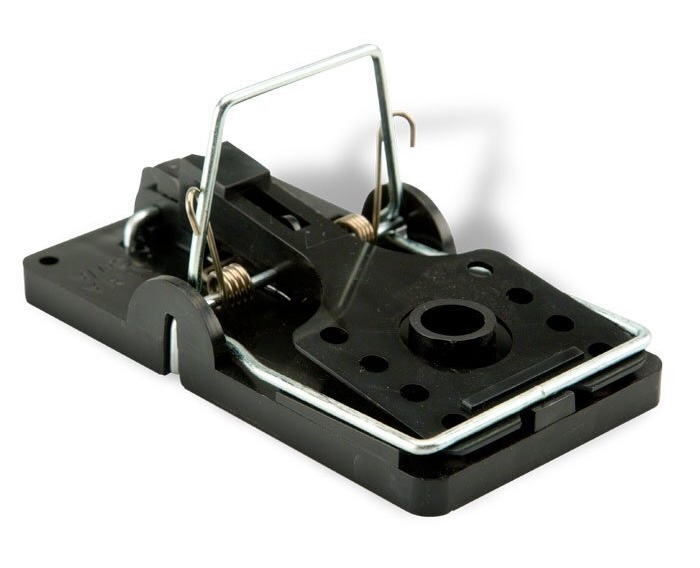
The Kness Big Snap-E® Rat Trap features durable ABS plastic and steel construction, an extra-large trip paddle and mounting holes for securing the trap where appropriate. For additional protection in busy commercial environments, the Big Snap-E® Cover provides a protective enclosure that helps shield the trap from surrounding activity and potential damage, supporting durability and continued use in demanding applications.
Effective Control Requires Adaptability
Successful rat control depends on recognizing changing conditions, selecting appropriate equipment and working with facility personnel to address factors beyond the trapping program. For PMPs, the ability to make informed adjustments is often what keeps a commercial pest control program effective, and profitable, over time.