How to Catch a Muskrat: What Property Owners Need to Know
Muskrats may seem harmless at first glance, but these semi-aquatic rodents can cause serious damage to ponds, shorelines, levees, dams, and drainage areas if left unchecked. Their burrowing habits can weaken banks, create leaks, and eventually lead to costly structural damage. Whether you’re a landowner, property manager, farmer, or pest management professional, understanding muskrat behavior is the first step toward effective control.
What Is a Muskrat?
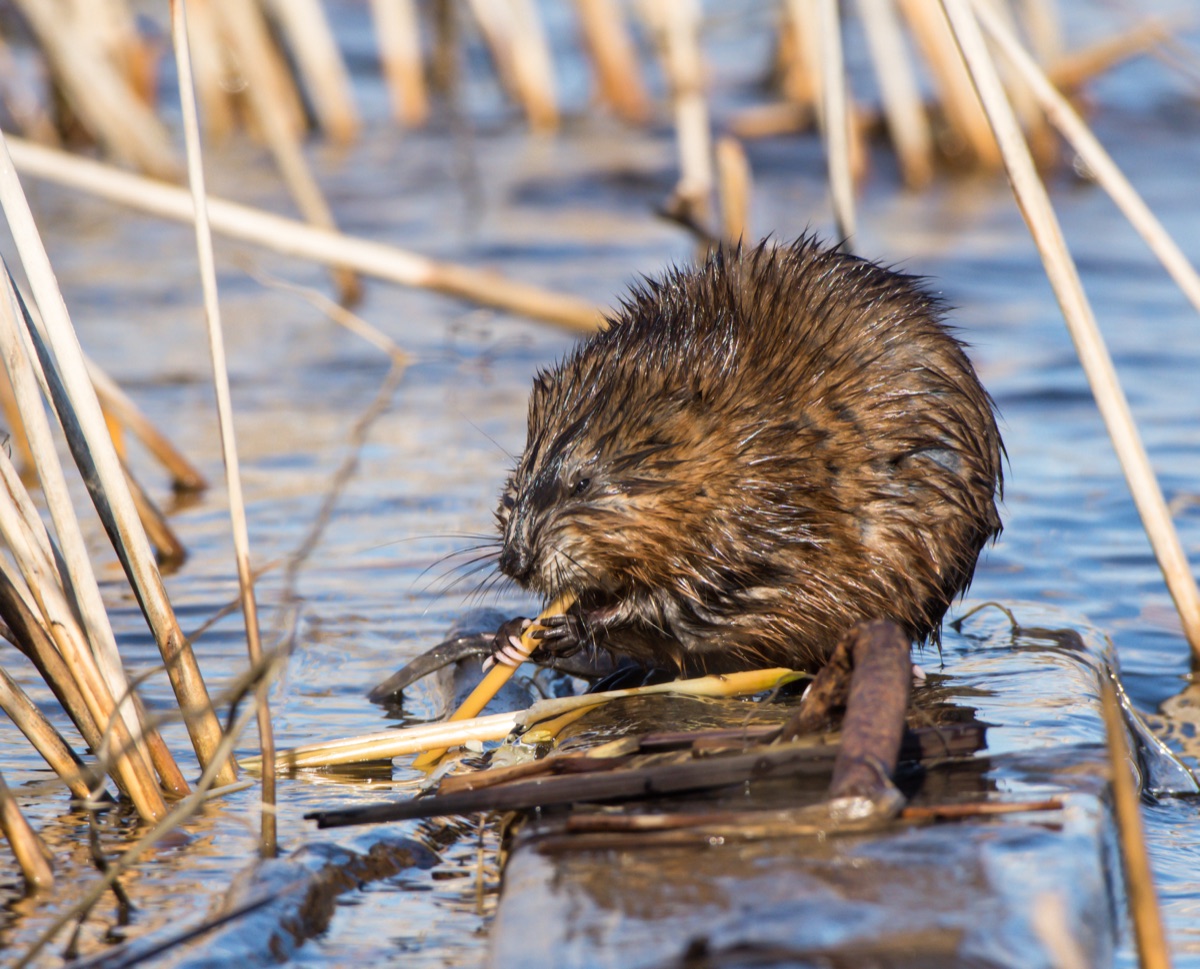
Muskrats are native to North America and are commonly found throughout the United States and Canada near wetlands, marshes, ponds, lakes, and slow-moving waterways. They are highly adaptable and spend most of their lives in or near water.
Muskrats build shelter in two primary ways:
- Digging tunnels into banks or dams
- Constructing dome-shaped lodges from mud and vegetation
In steep banks, muskrats create underwater entrances that lead to dry chambers above the waterline. In open wetlands, they often build large lodges that can reach up to 8 feet wide and 5 feet tall.
Why Muskrats Become a Problem
Most muskrat damage comes from burrowing activity. Over time, tunnels can weaken pond edges, dams, levees, and shorelines. In many cases, the damage isn’t obvious until major erosion or leaking has already started.
Muskrats may also carry diseases such as tularemia, giardiasis, and rabies, which can potentially spread through bites, contaminated water, or contact with infected animals.
Because muskrats reproduce quickly, often producing 2–3 litters per year with 4 to 8 pups per litter, populations can grow rapidly if left unmanaged.
Signs You Have Muskrats
Early identification is important. Common signs of muskrat activity include:
Tracks
Muskrat tracks show four toes on the front feet and five on the back feet, often with visible claw marks and a tail drag between prints.
Feeding Platforms
Flat, elevated piles of mud and vegetation near the water where muskrats gather and eat food.
Lodges
Large dome-shaped piles of mud and aquatic vegetation built above the waterline.
Burrow Entrances
Holes approximately 6–8 inches in diameter located along banks or dams, often a few feet below water level.
Droppings
Muskrat droppings are commonly found on elevated surfaces like rocks, logs, stumps, or feeding platforms.
Muskrats are active year-round and can feed at any time of day, although they are most active around twilight.
How to Catch a Muskrat
When muskrats begin causing damage, trapping is often the most effective solution.
Determine Trap Placement
Proper placement is critical for success. The best locations include:
Along Muskrat Runs
Muskrat runs are underwater travel paths leading between dens and feeding platforms. These trails are often visible as worn channels perpendicular to the shoreline.
Outside Burrow Entrances
Placing a trap directly outside an active burrow entrance is one of the most effective strategies. Entrances are typically located along pond banks, levees, or drainage areas.
Best Baits for Muskrats
Muskrats are attracted to vegetation and starchy foods. Effective bait options include:
- Apples
- Carrots
- Sweet potatoes
- Other root vegetables
Fresh bait can help encourage activity around trap locations.
Monitor Traps Frequently
Checking traps often is extremely important. Muskrats can quickly become stressed, vulnerable to predators, or injured if traps are left unattended for long periods.
Always follow local trapping laws and regulations regarding trap checks and relocation requirements.
Handling a Captured Muskrat
Once a muskrat is caught:
- Wear heavy gloves
- Keep the trap away from your body
- Approach calmly to avoid startling the animal
- Drape a towel or cloth over the trap to help keep the muskrat calm during transport
If relocation is permitted in your area, move the muskrat to another suitable wetland habitat well away from your property.
Prevention Matters Too
Trapping solves the immediate problem, but long-term prevention is equally important.
To reduce future muskrat activity:
- Repair damaged banks quickly
- Monitor shorelines regularly
- Reduce excessive aquatic vegetation
- Watch for new burrow openings
- Address signs of activity early
The sooner muskrat activity is identified, the easier it is to prevent major structural damage later.
A Reliable Option for Muskrat Control
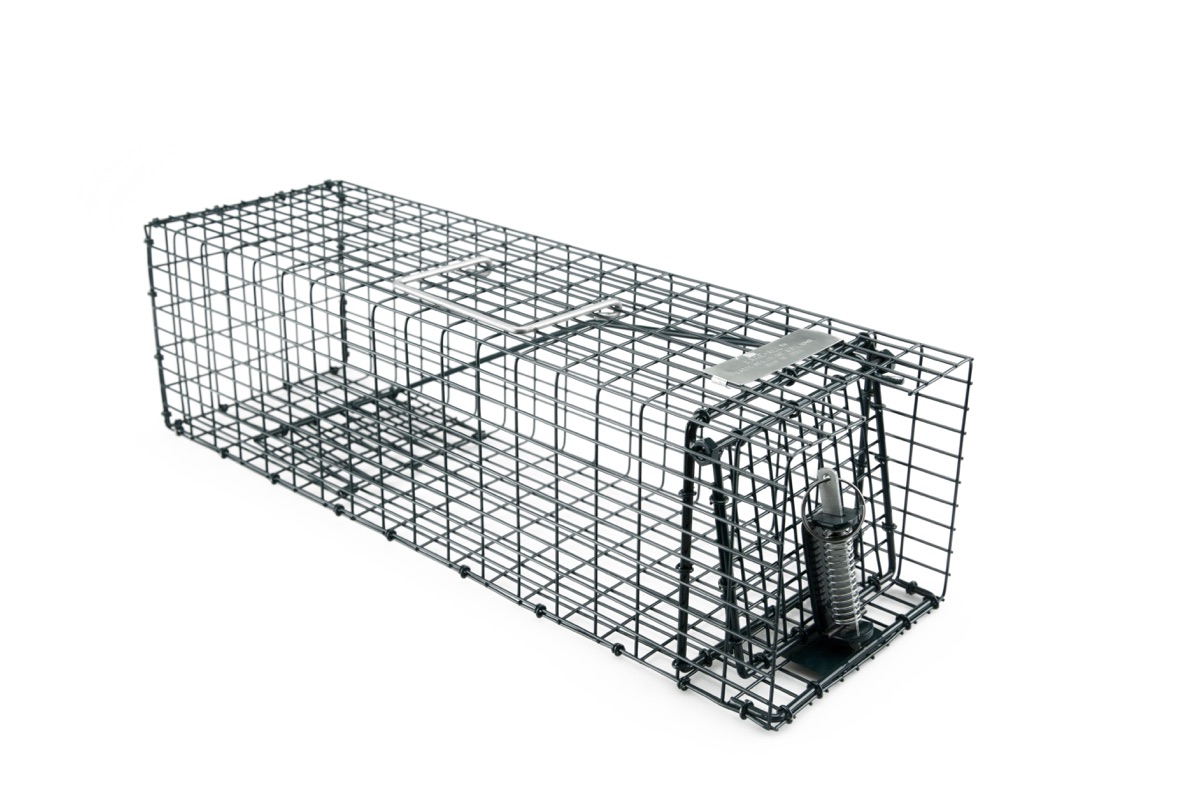
For nuisance muskrat problems, Kness Pest Defense recommends the Kage-All Small Animal Trap for safe and effective live trapping around ponds, waterways, and wetland environments.