Harvest Season Means Rodent Season
For many people across the Midwest, fall means combines in the fields, cooler temperatures, and another successful harvest. But while crops are coming out of the ground, rodents are looking for somewhere new to go.
As fields are harvested, mice lose the food and cover they’ve relied on all growing season. That often sends them searching for the next best shelter in homes, barns, shops, warehouses, grain facilities, and commercial buildings.
Understanding why this happens can help property owners stay one step ahead before a small rodent problem becomes a larger one.
Why Harvest Triggers Rodent Activity
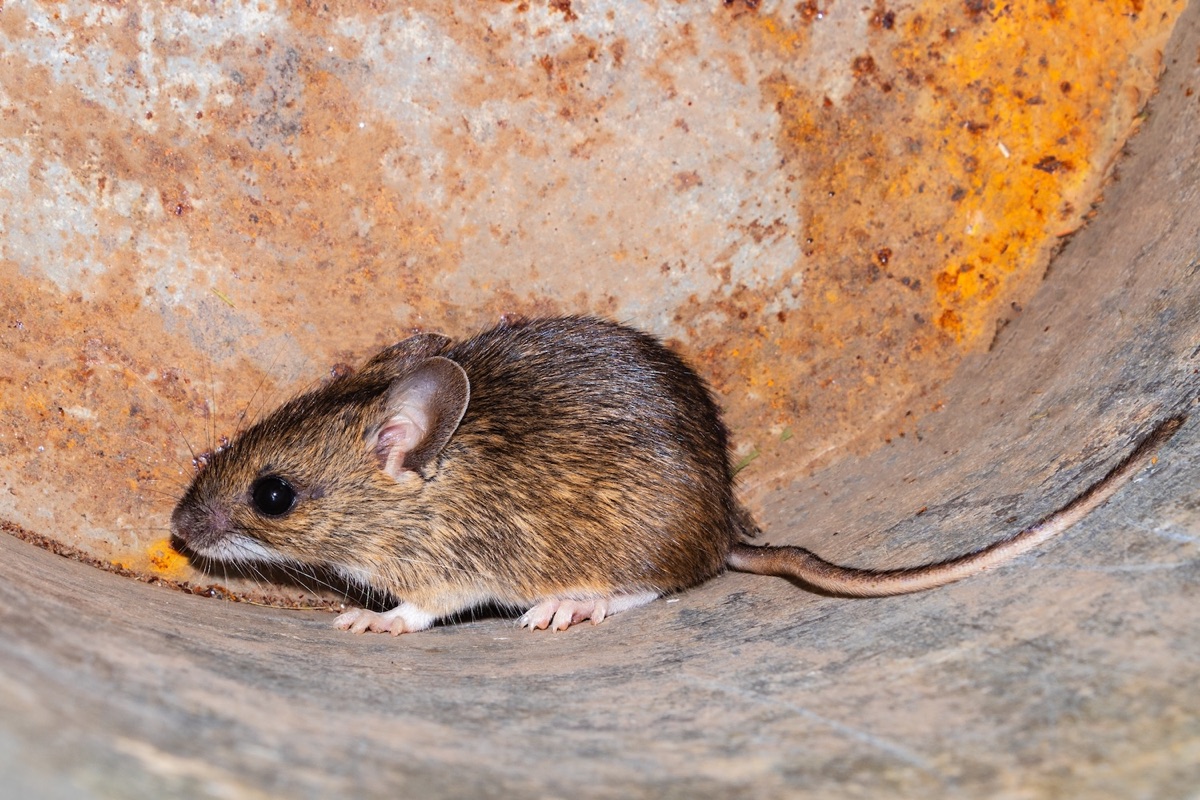
Throughout the growing season, fields provide mice with everything they need: food, water, and protection from predators. Once crops are harvested, that habitat changes almost overnight. With fewer places to hide and less food available, mice begin migrating to nearby structures where they can find warmth, shelter, and reliable food sources. That’s why many homeowners, farmers, and business owners notice an increase in rodent activity during the fall.
The closer a property is to harvested fields, wooded areas, or grassy fence lines, the greater the likelihood that rodents will begin exploring nearby buildings.
Where Mice Typically Go
Most small rodents don’t need much of an opening to get inside. A gap about the size of a dime is enough for a mouse to squeeze through. Common entry points include:
- Garage doors and foundations
- Utility line openings
- Roof vents and soffits
- Door thresholds
- Crawl spaces
- Barns, machine sheds, and outbuildings
Once inside, mice quickly establish nesting areas near food, water, and warmth.
Early Detection Makes the Difference
One of the biggest mistakes people make is waiting until they actually see a mouse. By the time rodents are visible during the day, they’ve often been active for some time.
That’s why monitoring is such an important part of any rodent management program. Monitoring helps detect activity early, identify travel routes, and determine where control efforts will be most effective. Rather than relying on assumptions, it provides valuable information that supports smarter decisions.
Whether you’re protecting a family home, a farm operation, or a commercial facility, knowing what’s happening before an infestation grows can save time, money, and frustration.
Prevention Starts Outside
Before mice make themselves at home, take a few preventative steps around your property:
- Seal gaps and cracks around foundations, doors, and utility penetrations.
- Keep grass, weeds, and vegetation trimmed near buildings.
- Store pet food, livestock feed, bird seed, and grain in tightly sealed containers.
- Reduce clutter around foundations, garages, and sheds.
- Remove potential nesting materials whenever possible.
- Begin monitoring before rodent activity becomes obvious.
Fall prevention is far easier than dealing with an established infestation during the winter months.
When It’s Time to Call a Pest Management Professional
If you notice droppings, gnaw marks, scratching noises, or repeated rodent activity, consider contacting a licensed pest management professional (PMP). A PMP can identify how rodents are entering the structure, recommend exclusion methods, and develop a management plan based on the level of activity. Just as importantly, they can use monitoring strategies to verify whether control efforts are working and make adjustments as needed.
How Kness Supports Smarter Rodent Control
At Kness, we believe effective rodent control starts with understanding rodent behavior, not simply reacting after damage has occurred. For over 100 years, Kness has designed durable rodent control products trusted by pest management professionals, farmers, businesses, and homeowners alike. From multiple-catch traps and snap traps to monitoring solutions, Kness products help identify activity early, support informed placement decisions, and provide reliable performance season after season.
Rodent activity may increase during harvest season, but that doesn’t mean infestations are inevitable. Understanding rodent behavior, monitoring for early signs of activity, and taking action before problems grow can make all the difference.