As winter transitions to spring, pest behavior shifts, and so should your strategy.
For PMPs, one of the most important field decisions isn’t just what product to use, but when to monitor and when to bait. Misjudging that timing can lead to misdiagnosis, unnecessary treatments, and costly callbacks.
Understanding the difference between monitoring and baiting, and how they work together, helps you stay ahead of seasonal pressure instead of reacting to it.
What Monitoring Does And Why It Matters First
Monitoring tools are designed to detect presence, confirm species, and track activity patterns. They don’t eliminate the root source, but they give you the data needed to make the right next move.
In late winter and early spring, monitoring is critical because:
- Insect activity is just beginning
- Clients often misidentify pests as rodents instead of insects
- Movement may be intermittent
- Pressure may be isolated—not widespread
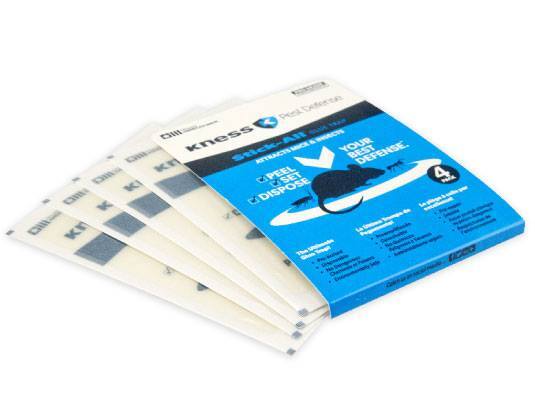
Stick-All® Insect Traps are ideal for this stage. Their broad-spectrum capture ability makes them effective for:
- Overwintering insects re-emerging indoors
- Occasional invaders
- Moisture pests
- Early-season crawling insects
Placed along walls, near entry points, in mechanical rooms, and in commercial accounts, Stick-All traps provide clear visual confirmation of activity. This monitoring protects your credibility, and it turns assumptions into documentation.
When Baiting Becomes the Right Move
Baiting is designed to target and reduce a colony or population at the source. It’s not about detection. It’s about control.
As soil temperatures rise and scouting begins, ants become one of the first structured colony pests to increase their activity. This is when monitoring alone isn’t enough.
Ants-No-More® Bait Stations are effective when:
- Scout ants are present
- Trails are forming
- Interior foraging has begun
- Colony establishment is underway
Strategic placement of bait stations allows for:
- Targeted bait delivery
- Reduced reliance on broad treatments
- Discreet, professional presentation
- Earlier intervention before peak season
The key is timing. Bait too early without confirmation, and the product may sit untouched. Bait too late, and you’re responding to a fully established problem.
Seasonal Strategy: Monitor First, Bait With Purpose
As seasons shift, pest pressure follows predictable patterns:
Late Winter — Primary tool: Monitoring
- Sporadic insect movement
- Overwintering emergence
- Moisture-driven activity
Early Spring — Primary tool: Monitoring + Targeted Baiting
- Ant scouting
- Increased foraging
- Defined trails forming
Peak Spring — Primary tool: Active Baiting & Control
- Established colonies
- Higher pressure
- Client awareness increases
The smartest programs don’t choose one or the other. They sequence both, and the timing of each matters.
Why the Right Tool at the Right Time Reduces Callbacks
Callbacks are rarely caused by lack of product—they’re caused by lack of clarity.
Monitoring with Stick-All® traps:
- Confirms species
- Identifies hotspots
- Prevents misdiagnosis
- Documents activity trends
Baiting with Ants-No-More® stations:
- Targets the source
- Reduces population growth
- Limits repeat service
- Strengthens long-term results
When you monitor before you bait and then bait with intention, you protect both your margins and your reputation.
Work Smarter as Conditions Change
Seasonal transitions are subtle. Pest pressure builds gradually before it becomes visible to clients.
The PMPs who stay ahead:
- Monitor consistently
- Deploy bait strategically
- Adjust tools as behavior shifts
- Use data—not assumptions—to guide service
Monitoring tells you what’s happening. Baiting solves it. And choosing the right tool at the right time is what keeps spring from turning into callback season.