When customers spot ants in a kitchen or along a baseboard, the first instinct is often to grab a spray and eliminate the ants they see. While sprays may provide quick knockdown, experienced pest management professionals know that surface treatments alone rarely solve the underlying problem.
For lasting control, baiting strategies using well-placed ant bait stations often deliver far better results.

The Problem with Spray-First Thinking
Sprays are designed to kill ants on contact. While that can temporarily reduce visible activity, it does not address the root of the infestation: the colony.
Ant colonies can contain thousands or even tens of thousands of individuals, most of which remain hidden in wall voids, soil, landscaping, or structural cavities. When sprays kill only the foraging ants, the colony remains intact and continues sending new workers to search for food.
In some cases, sprays can even make control more difficult. Certain ant species may respond to disturbance by splitting or relocating colonies, a process known as budding, which can expand the infestation instead of eliminating it.
Why Baiting Works
Ant baiting takes advantage of the ants' natural foraging behavior. Worker ants locate food sources and carry them back to the colony, sharing the food with other workers, larvae, and the queen.
When a properly formulated bait is introduced, the workers unknowingly transport the control agent back to the colony itself. This allows the treatment to reach ants that sprays never touch.
Instead of simply eliminating the ants that are visible, baiting helps disrupt and eliminate the colony at its source.
The Role of Ant Bait Stations
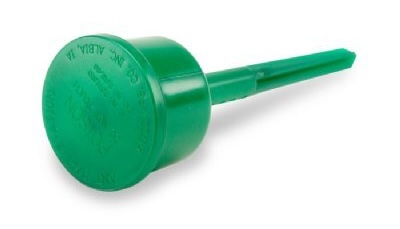
Bait stations provide a controlled and protected way to deploy bait where ants are active. Using a bait station offers several advantages for pest management professionals:
- Targeted placement near ant trails and entry points
- Protection from weather and contamination
- Reduced exposure to non-target animals or people
- Consistent access for foraging ants
Because the bait remains contained within the station, it stays accessible to ants for longer periods, allowing more workers to interact with the bait and carry it back to the colony.
Strategic Placement Makes the Difference
Successful baiting relies on placing stations where ants are already active. Common placement areas include:
- Along foundation walls and exterior entry points
- Near landscaping features such as mulch beds or stones
- Along established ant trails
- Near cracks, utility penetrations, or structural gaps
Monitoring activity around these areas helps PMPs identify where colonies are foraging and where bait stations will be most effective.
A Smarter Approach to Ant Control
Professional ant control often requires patience and strategy. Rather than chasing individual ants with sprays, baiting programs focus on eliminating the colony responsible for the infestation.
By using bait stations as part of a broader integrated pest management approach, pest professionals can achieve more consistent, long-term results while minimizing unnecessary treatments.
Supporting Professional Ant Control
Tools like the Kness® Ants-No-More® bait stations help pest management professionals deploy bait efficiently while maintaining a clean, controlled presentation at service locations.
When placed strategically and monitored properly, bait stations provide a reliable way to move beyond temporary knockdowns and address the source of ant activity.
In the long run, what makes the difference is controlling the colony, not just the ants you see.