5 Signs Unwanted Critters Are Preparing to Spend Winter in Your Home...And What to Do About It
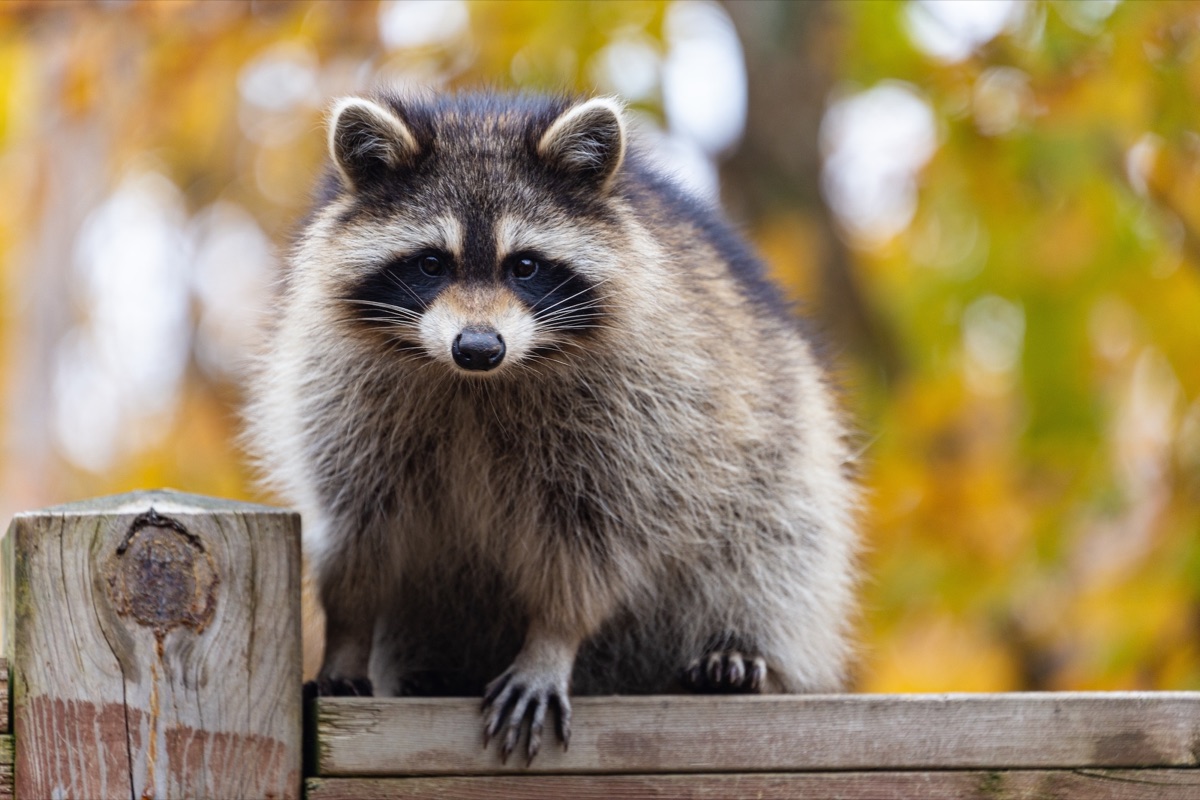
As temperatures begin to cool, wildlife starts looking for one thing: a safe place to spend the winter. Unfortunately, that "safe place" is often your home, garage, shed, attic, or crawl space.
Many homeowners don’t realize there’s a problem until they hear scratching in the walls or discover damage that’s already been done. Knowing what to watch for can help you act sooner, protect your property, and prevent a small problem from becoming a much larger one.
Here are five common signs that unwanted critters may be preparing to move in before winter.
1. You Hear Scratching or Scurrying Sounds
One of the earliest warning signs is unusual noise coming from the attic, walls, ceilings, or crawl space. Different animals can create different sounds:
- Mice often produce light scratching or scurrying, especially at night.
- Squirrels are typically active during the day and may sound much louder as they run across the attic.
- Raccoons can create heavy thumping or dragging noises.
- Bats may make faint scratching or chirping sounds as they settle into wall voids or attics.
Any new sounds should be investigated before these intruders have a chance to establish a permanent home.
2. You Find Droppings or Nesting Materials
Unwanted pests leave behind evidence, even if you never see the animal itself.
Things to watch for:
- Small rodent droppings in garages, basements, pantries, or utility rooms
- Shredded insulation, paper, leaves, or fabric being used as nesting material
- Greasy rub marks along walls or baseboards where rodents travel repeatedly
These signs often indicate that animals have already begun exploring or occupying your home.
3. You Notice New Entry Points Around Your Home
Fall is a good time to inspect the exterior of your home. Things to look for:
- Gaps around utility lines
- Damaged roof vents or soffits
- Openings around foundations
- Loose siding or fascia boards
- Spaces beneath decks, porches, or sheds
Small openings may seem insignificant, but mice can squeeze through holes about the size of a dime, while squirrels and raccoons can enlarge existing openings to gain access.
4. Wildlife Activity Around Your Property Increases
You may begin seeing more wildlife as natural food sources become scarce. Common examples include:
- Skunks investigating areas beneath decks or sheds for winter shelter.
- Raccoons climbing roofs or visiting garbage containers.
- Squirrels carrying nesting materials into trees or rooflines.
- Mice moving from harvested fields toward nearby homes and buildings.
Seeing wildlife outside doesn’t always mean it’s inside, but it does mean it’s worth taking preventive steps before colder weather arrives.
5. Your Traps or Monitoring Devices Show Activity
One of the most effective ways to determine whether rodents are becoming active is through monitoring. Monitoring devices can detect activity long before a full infestation develops, helping homeowners and pest management professionals make informed decisions instead of relying on guesswork. If activity is detected, prompt action can often prevent rodents from becoming established indoors.
Prevention Starts Before Winter
The best time to deal with wildlife is before it settles into your home. A few simple steps can make a big difference:
- Seal openings around your home’s exterior.
- Trim tree branches away from the roof.
- Store pet food and bird seed in sealed containers.
- Secure garbage cans with tight-fitting lids.
- Remove clutter that can provide shelter near the home.
- Monitor for signs of rodent activity throughout the fall.
When Should You Call a Pest Management Professional?
If you’re hearing persistent noises, finding droppings, or suspect these pests have already entered your home, it’s a good idea to contact a licensed pest management professional (PMP). An experienced PMP can identify the species involved, locate entry points, recommend appropriate exclusion methods, and develop a plan to help prevent future problems.
Where Kness Fits In

Successful wildlife and rodent control begins with understanding what’s happening before choosing a solution. For rodents, monitoring plays an important role in identifying activity early and confirming whether control efforts are working.
Kness has spent decades helping homeowners and pest management professionals monitor and manage rodent activity with durable, reliable products designed for real-world use. From multiple-catch traps to snap traps and monitoring solutions, Kness products help provide the information needed to make smarter pest management decisions.
When wildlife becomes part of the equation, early detection, proper identification, and timely action can help protect your home before winter guests become long-term residents.